


Boom Beach: War Strategy Game
Supercell
I spent time with Boom Beach: War Strategy Game as a player who enjoys planning more than rushing, and its appeal became clear quickly: every attack is a small puzzle, while every base upgrade asks me to think about what I can afford to delay. This is a free strategy game from Supercell, built around island warfare, resource management, real-time attacks, and a growing home base. It looks approachable at first, but the strongest results come from forming repeatable habits rather than tapping through battles at random.
The game is rated 4.5 on average from around 6.3 million ratings, and it has passed 100 million installs. Those figures fit my impression of the experience: it is easy to understand in a few minutes, yet deep enough to keep giving experienced players small decisions to optimize. The age rating is Everyone 10+, although the competitive pressure and optional purchases make it more suitable for players who are comfortable with timers, resource choices, and occasional setbacks.
How I built a reliable routine around each island
My normal session begins at the home base, not on the world map. I first check which building or troop upgrade is in progress, then collect available resources and look at the next expensive improvement I want. This simple order matters because it prevents me from spending everything on a short-term upgrade and then discovering that I am short of the material needed for a more important defensive or offensive step.
The central loop is satisfying because the base and the battlefield constantly affect each other. Better troops make difficult islands manageable, while stronger defenses protect the resources and progress I have already earned. I usually choose one main goal for a session: improve attack power, strengthen the base, or save for a major unlock. Trying to do all three at once often leaves the account feeling busy but not meaningfully stronger.
Before attacking, I study the layout instead of immediately deploying units. I look for exposed defenses, the path toward the headquarters, and places where a flare could pull troops away from danger. The gunboat abilities are especially important here. They are limited during a battle, so I treat them as a budget: artillery can remove a troublesome target, flares can shape movement, and other abilities can create an opening when a direct push would be wasteful.
Related News

Why WhatsApp Messenger Still Makes Everyday Communication Feel Easy

Jurassic World: The Game Is the Better Dino Tycoon for Strategic Players

Threads in Real Life: Who Should Join, Lurk, or Leave

How SHEIN Turned Shopping Into an Endless Content Feed

How to Make Fortnite Feel Smarter on Mobile

Should You Switch to Microsoft Outlook on Mobile?
A useful habit is to decide the first thirty seconds of an attack before landing anything. I ask myself which defense is most likely to ruin the plan, where the troops should gather, and whether the headquarters can be reached safely. This is more effective than reacting to every shot. When a plan fails, I can identify the actual mistake instead of blaming the whole army.
That approach also makes losses easier to accept. Some islands are not worth forcing immediately, especially when the defensive arrangement counters the troops I currently rely on. I often leave a difficult target alone, improve one relevant unit or ability, and return later. The game rewards patience more than it first suggests, and retreating from a poor matchup is usually better than repeatedly paying for the same mistake.
What I check before spending resources
Resource management is where casual play and efficient play begin to separate. I avoid starting a long upgrade immediately before a planned attack if that upgrade leaves me unable to replace troops or improve a key support building. Conversely, I do not wait for a perfect stockpile when a modest improvement would make several upcoming battles safer. The right decision depends on whether the next bottleneck is damage, survivability, movement, or storage.
Gallery
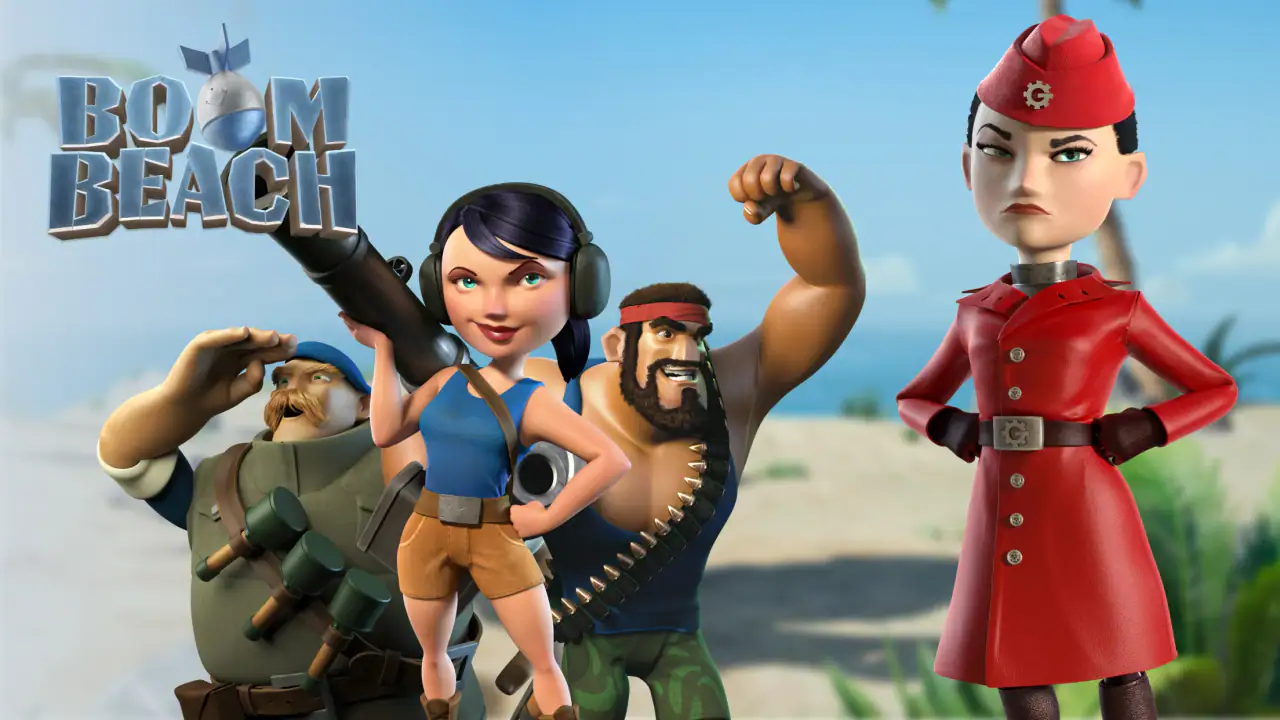
I also pay attention to the difference between a stronger army and a more suitable army. A troop with a higher level is not automatically the best answer to every island. Heavy defenses, clustered buildings, open approaches, and awkward corners all change the value of a unit. I have had better results by matching the attack to the layout than by using one favorite composition everywhere.
One of the less obvious strengths of the game is that scouting has practical value beyond simply viewing the enemy base. I use the scouting screen to decide whether an attack is worth the time and whether I should save gunboat energy for the final approach. When the first defensive line is packed tightly, an early ability may be worthwhile. When defenses are spread out, movement control and target selection become more important than opening damage.
For everyday play, I recommend a short resource loop: collect, inspect upgrades, scout several possible targets, then attack only when the plan is clear. This works well during a commute or a short break because each action has a purpose. It also reduces the temptation to spend resources impulsively just because a timer has finished.
Settings and small habits that make sessions smoother
I always check the game’s available audio and notification options after installing or reinstalling it. Sound effects help with the feel of combat, but they are not essential for understanding the battlefield, so I lower them when playing in public. Notifications can be useful for reminding me that progress is ready, yet I prefer to keep only the alerts that genuinely help my routine rather than allowing the game to interrupt the entire day.
Display comfort matters more than players may expect. Battles involve reading small defensive positions and following troop movement, so I play with the device held steadily and avoid starting an important attack while distracted. I also make sure the connection is stable before committing to a serious battle. A strategy game is much less forgiving when an interruption happens during deployment than when it happens while browsing the map.
The account and purchase areas deserve a deliberate look as well. The game is free to download and play, but optional in-app purchases range from $0.99 to $199.99 per item. I recommend deciding in advance whether purchases are part of your personal limit, especially if several upgrades are waiting at once. The most comfortable way for me to play has been treating spending as optional convenience rather than as a solution to every delay.
Parents should also remember that a Everyone 10+ rating does not remove the need for household rules. The game combines competition, progression timers, and purchasable items, so setting a device-level purchase restriction or agreeing on a budget is sensible. That is not a criticism of the battlefield itself; it is simply good preparation for a game designed to keep long-term progress moving.
Repeatable attack patterns that save me from rushed decisions
My fastest improvement came from repeating a pre-attack checklist. I identify the headquarters position, mark the most dangerous defense, choose the landing side, and reserve enough gunboat energy for the final phase. This takes only a few seconds once practiced, but it stops me from using every ability at the start and then having no answer when the main force reaches the center.
Another useful pattern is to separate clearing from finishing. I do not always send troops directly toward the headquarters. Sometimes I first remove a side defense or a building that would pull the army away from the intended route. Once the path is safer, I use a flare to gather the force and direct the final push. This costs time, but it often saves troop health and makes the attack easier to read.
Troop placement is another area where small changes matter. I avoid dropping every unit in one identical spot when the landing area is exposed. A slightly wider deployment can prevent one defensive attack from damaging the entire army, while a tighter landing can be better when the first objective is to move quickly behind cover. There is no universal formation; the correct spacing depends on what can hit the beach immediately.
I also learned not to judge an attack only by whether the headquarters falls. A victory with heavy losses may be less useful than a cleaner attack that leaves enough troops ready for the next target. When I am farming easier islands, I value consistency. When I am attempting a difficult base, I accept more risk but make sure the possible reward justifies the failed attempt.
One advanced but practical habit is keeping a mental note of why an attack failed. I use short descriptions such as “landing side exposed,” “energy spent too early,” or “troops split at the wrong building.” This is much more useful than simply upgrading something at random. After a few battles, patterns appear, and I can change one variable at a time instead of rebuilding the entire strategy after every defeat.
Where the strategy becomes demanding
The game’s limits become clear when progress depends on several connected upgrades. A stronger troop may require more than one supporting improvement, and a defensive investment can slow offensive growth. That creates real trade-offs: a player focused on attacking quickly may feel vulnerable at home, while a player who overbuilds defenses may struggle to clear the map efficiently.
Timers are another source of friction. Boom Beach is comfortable as a game I check throughout the day, but it is less satisfying if I want uninterrupted action for a long evening. Once available attacks or resources are exhausted, the meaningful choices can narrow until progress catches up. Players who dislike waiting or who expect every session to deliver constant combat may prefer a more traditional campaign strategy game.
The multiplayer side adds pressure without replacing the basic solo planning. Other players’ bases can be more unpredictable than computer-controlled islands, and a layout that looks manageable may punish a familiar approach. I enjoy this because it tests adaptation, but it can be frustrating when I want a calm resource run. Switching between safe targets and competitive encounters helps me control that mood.
There is also a learning curve around information overload. New players see buildings, troops, abilities, resources, upgrades, and map choices before they understand how those parts connect. I recommend resisting the urge to upgrade everything evenly. Pick one attack style, learn what defeats it, and make improvements that solve the most common failure. A focused account feels stronger sooner than a scattered one.
Compared with a purely turn-based strategy game, this offers less time to reconsider once troops are deployed. Compared with a city-building game, the base is more directly tied to combat rather than decoration or passive expansion. And compared with a traditional real-time strategy title on PC, the battles are shorter and more accessible, but they provide fewer units and less direct control. I think it is best for players who want meaningful tactical choices in compact sessions, not for someone seeking a huge battlefield with complete unit micromanagement.
Who will enjoy it, and who should choose something else
I would recommend it to someone who likes planning routes, testing army combinations, and seeing gradual improvement from better decisions. It works particularly well for a player who can check in briefly several times a day and does not mind saving resources for a larger goal. The free entry point makes it easy to try, while the long-term structure gives experienced players room to refine habits.
I would be more cautious recommending it to anyone who dislikes timers, competitive attacks, or optional purchases appearing alongside progression. It is also not the right match for a player who wants a fully offline experience or a campaign that can be completed at a fixed pace. The game’s pleasure comes from its ongoing island-and-base cycle, so the same structure that keeps me returning may feel repetitive to somebody who prefers a clear ending.
On mobile, I find it more approachable than many complex strategy alternatives because each battlefield has a readable objective and a limited set of decisions. The trade-off is that its simplicity can make mistakes feel expensive: there are fewer moving parts, so poor timing or an unsuitable landing plan stands out. Players wanting deeper economic simulation should look elsewhere, while players wanting quick tactical puzzles will likely find the balance appealing.
My verdict after settling into the long game
Supercell has made a strategy game that is easy to start but difficult to play consistently well. My enjoyment comes less from watching numbers rise and more from recognizing a layout, forming a plan, and executing it without wasting the tools available. The best moments are not necessarily the biggest victories; they are the attacks where a small change in landing position or ability timing turns a likely defeat into a clean result.
The current version is 61.104, and the game supports devices running Android 7.0 or later. Those practical details make it accessible to many mobile players, but the real question is whether the rhythm suits you. If you enjoy returning to a base, making one meaningful upgrade, scouting carefully, and improving through repeated battles, it has plenty to offer.
My final advice is to play with a plan and a spending boundary. Save gunboat energy for the moment that decides the attack, avoid forcing bad matchups, and treat every failed assault as a specific lesson. The strongest advantage is not speed; it is a repeatable decision-making routine. With that mindset, Boom Beach: War Strategy Game becomes a rewarding mobile strategy experience rather than just another timer-driven game, although players who want instant, uninterrupted action should probably choose a different kind of battlefield.
FAQs for Boom Beach: War Strategy Game
What is Boom Beach and how does it differ from other strategy games?
Boom Beach is a real-time strategy game that combines elements of combat and base-building. Unlike other games in the genre, it focuses on strategic planning and resource management, where players attack enemy bases to free enslaved islanders and gain resources. Its tropical island setting and unique enemy factions set it apart from other strategy games.
Is Boom Beach free to play, or are there in-app purchases?
Boom Beach is free to download and play, but it offers in-app purchases. These purchases can accelerate progress or provide cosmetic enhancements, but they are not necessary to enjoy the game. Players can earn resources and progress through gameplay without spending money, making it accessible for free players as well.
What are the key strategies for success in Boom Beach?
Success in Boom Beach relies on balancing offense and defense. Players should focus on upgrading their troops and defenses wisely, scouting enemy bases before attacking, and managing resources efficiently. Collaborating with other players in Task Forces can also provide strategic advantages in cooperative operations.
Can Boom Beach be played offline, or is an internet connection required?
Boom Beach requires an internet connection to play. The game involves real-time interactions with other players, such as attacking enemy bases and participating in Task Force operations, which necessitate a constant online connection. Offline play is not supported due to these interactive elements.
What is the role of Task Forces in Boom Beach?
Task Forces are collaborative groups of players who work together to complete missions and earn rewards. Joining a Task Force allows players to participate in group operations, strategize with other members, and share resources and tips. It's a great way to enhance the social and cooperative aspects of the game.
Pros
- Engaging strategic gameplay.
- Stunning graphics and animations.
- Frequent updates and events.
- Active community and alliances.
- Non-intrusive monetization.
Cons
- Requires constant internet connection.
- Can be time-consuming to progress.
- Limited offline play options.
- In-app purchases can be pricey.
- Learning curve for new players.


